
Sleep Temperature Control
Our adaptive fill technology responds to your body heat throughout the night, keeping you cool when you’re warm and cozy when temperatures drop.
Neck Support That Adapts
The pillow’s responsive core adjusts to your sleeping position—whether you’re a side, back, or stomach sleeper.
Allergy-Safe Materials
Hypoallergenic filling and dust mite-resistant fabric create a cleaner sleep environment, especially important for sensitive sleepers.
Best Sellers
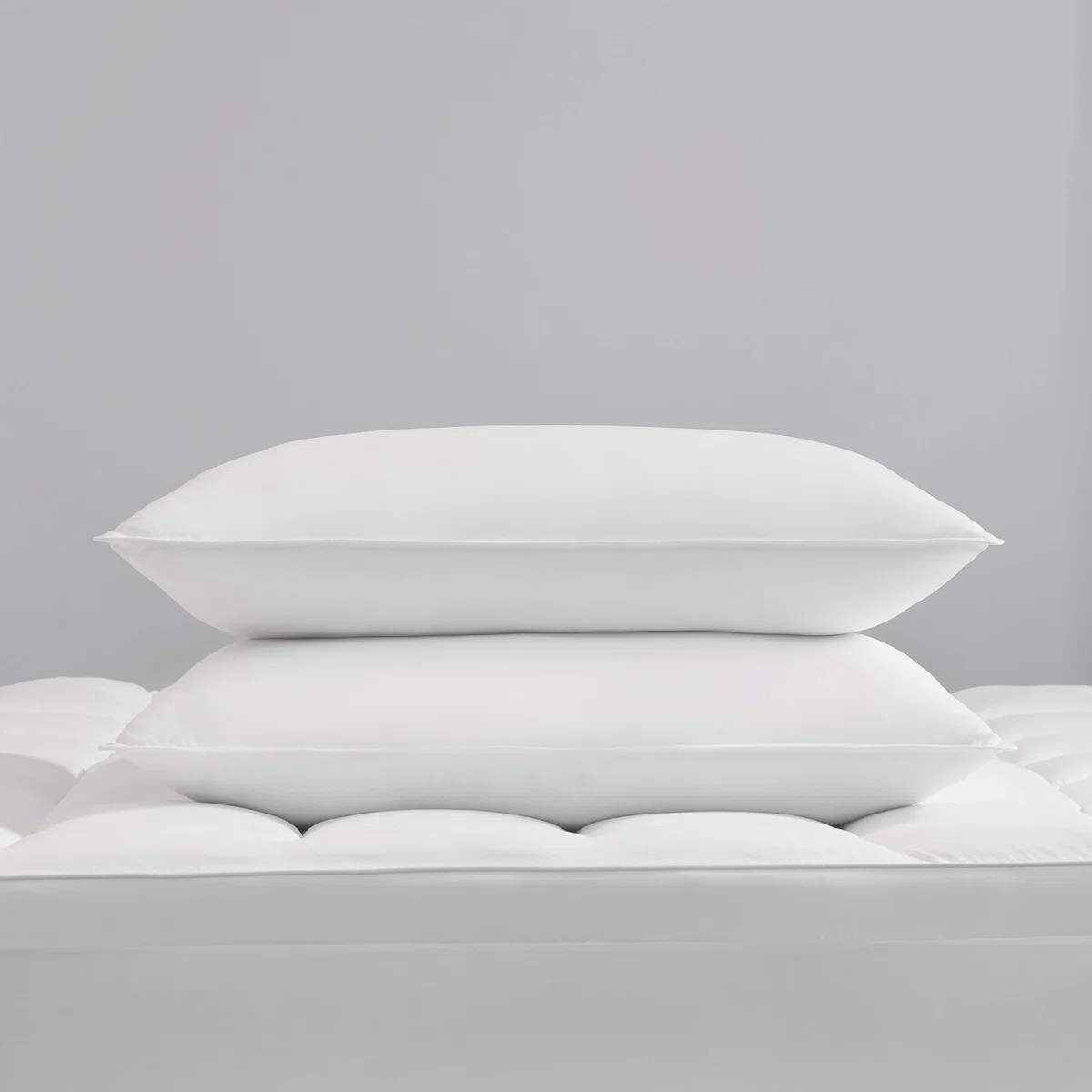
Polyfill King Plush Support Pillow
This extra fluffy set of down-alternative pillows promises the cozy comfort of all-night sleep and support.
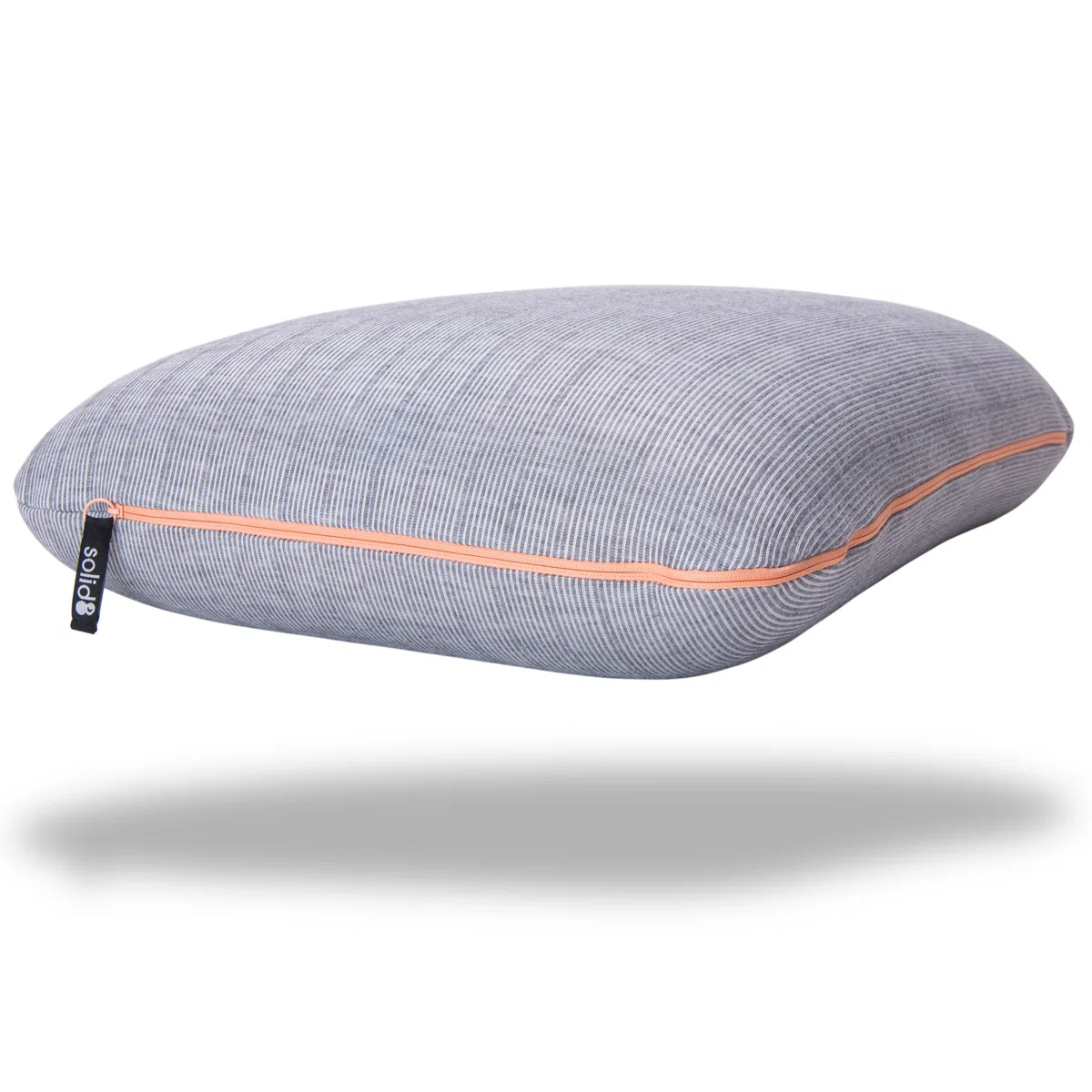
Memory Foam Cooling Pillow
While all-foam offers good support and durability, it can also trap heat, making a warm night tormentingly tropical.
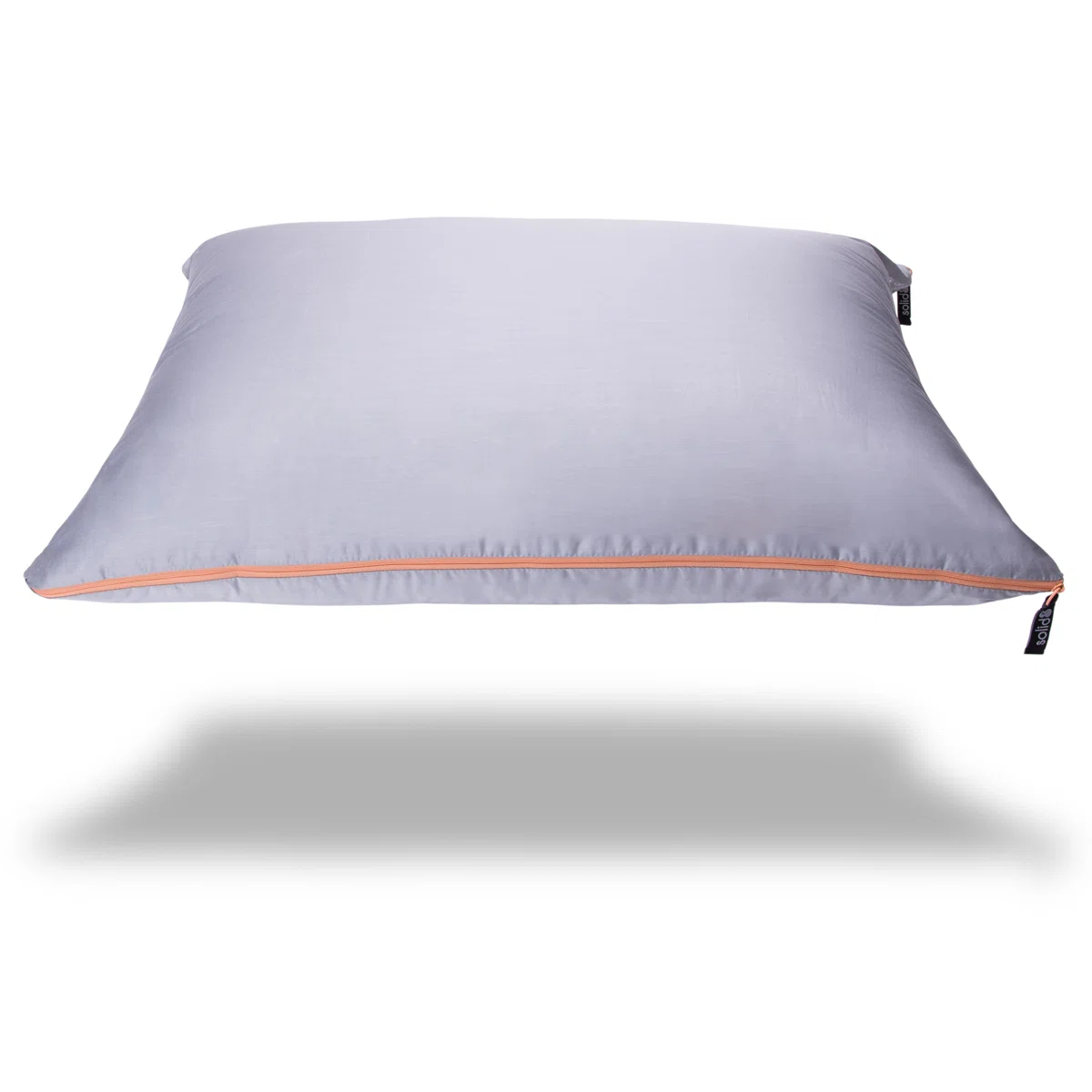
Comfort Zip Down Alternative Bed Pillow
The Comfort Zip Bed Pillow’s zipper sides let you change its firmness in an instant. With the sides unzipped it’s moderately firm bed pillow.
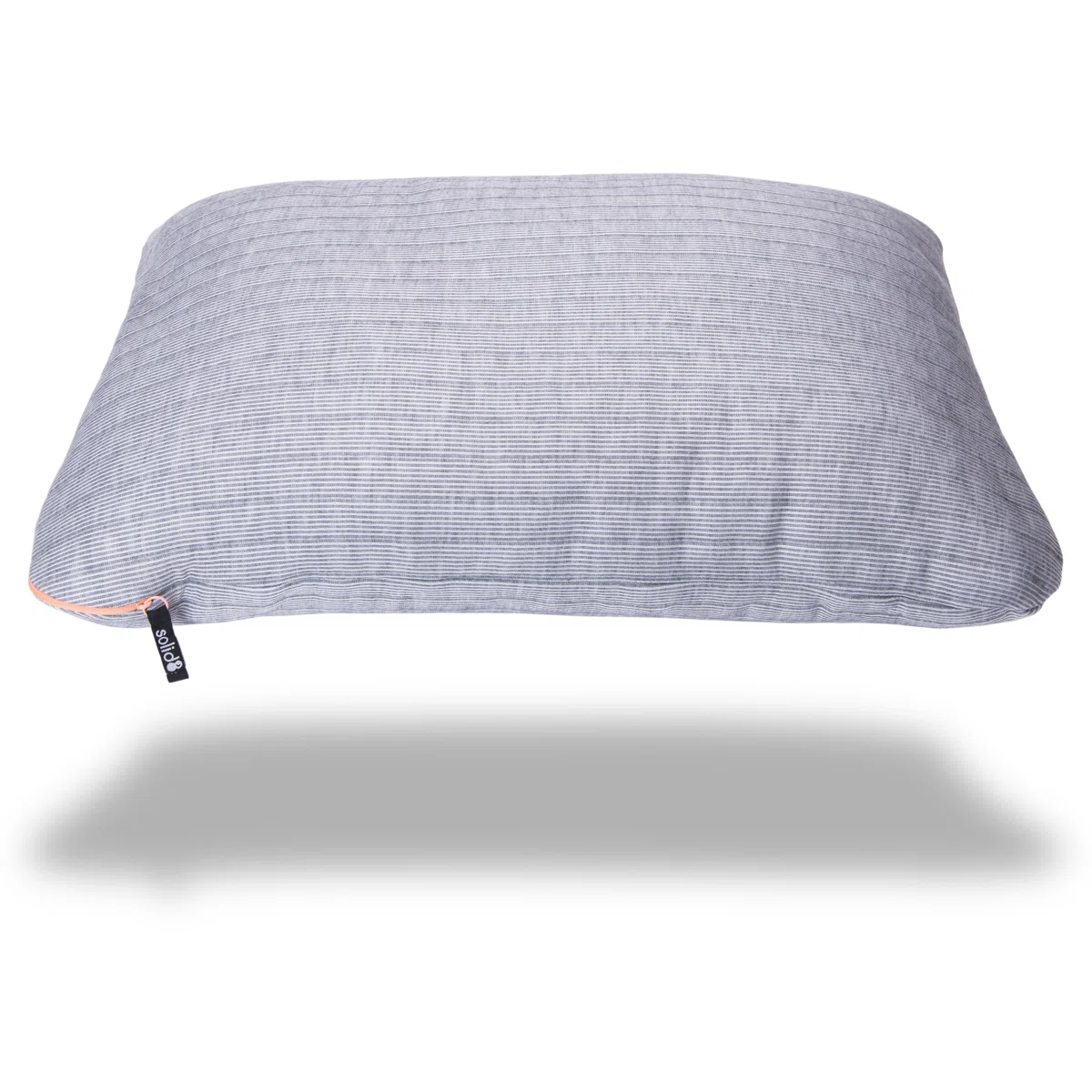
Medium Density Down Alternative Bed Pillow
Its specially designed filling keeps its loft and offers medium support, making it ideal for back sleepers.
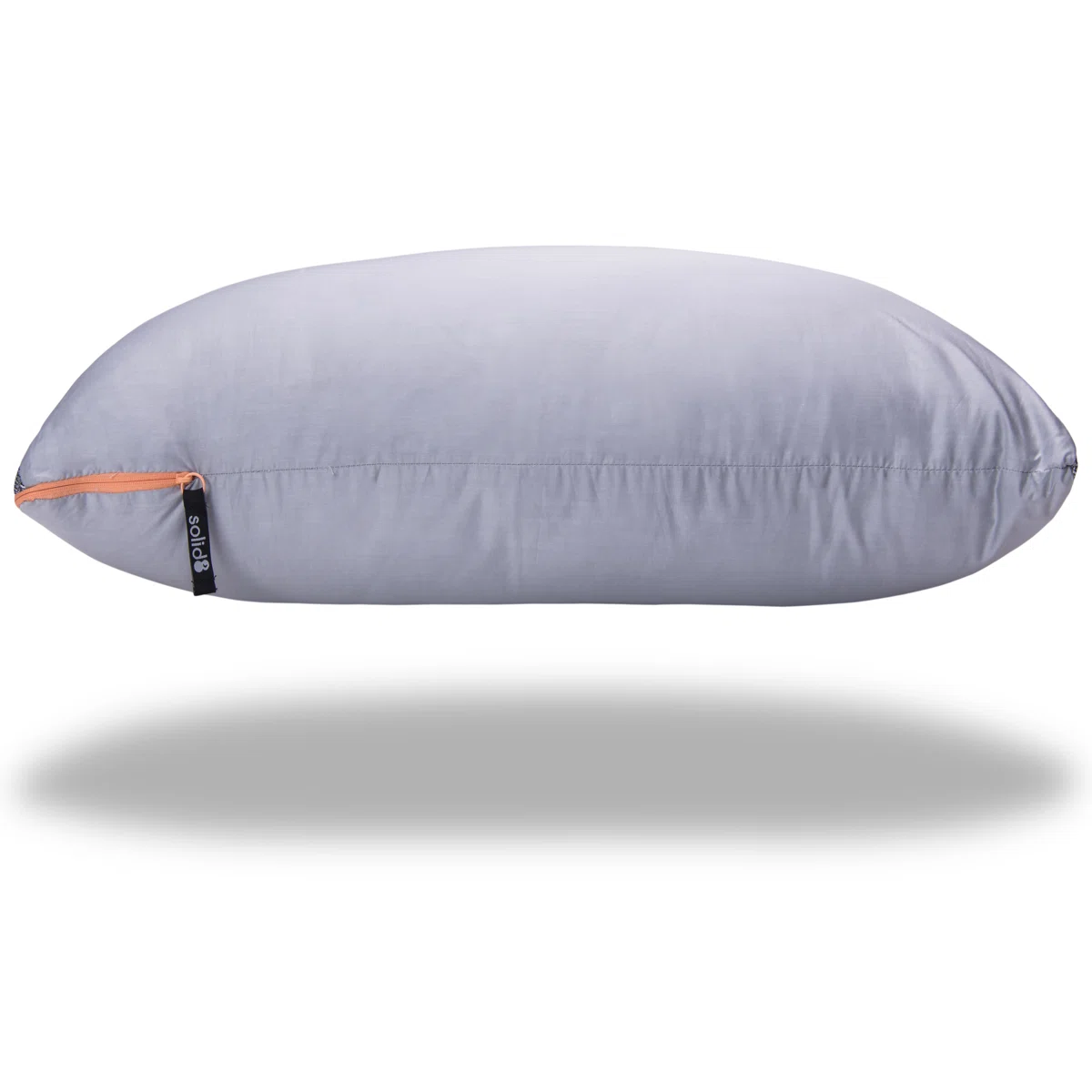
Bed Pillow with Allergen Barrier
This pillow’s zipper outer cover features a micro-thin graphene layer that forms a powerful barrier against allergens.
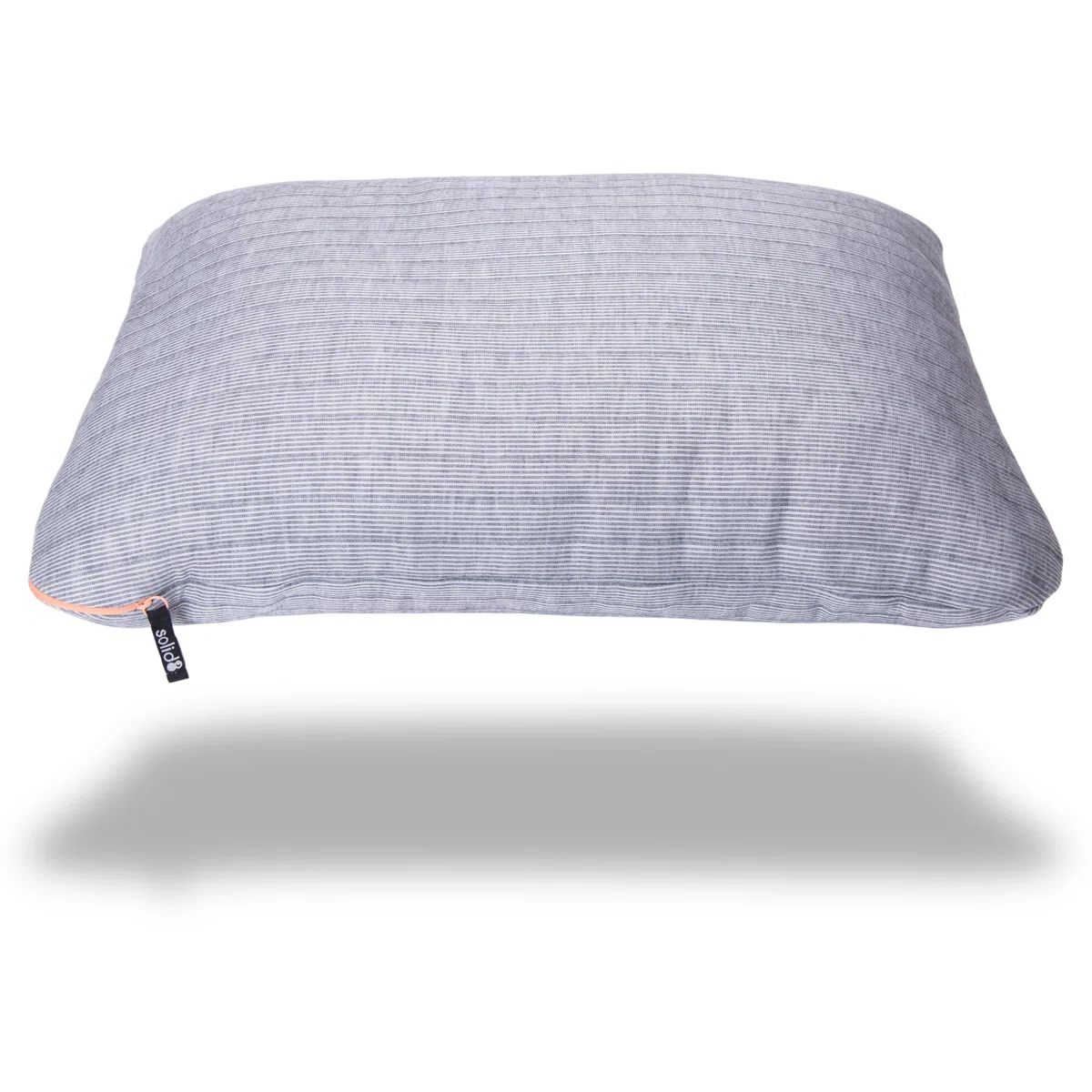
Artic Touch Soft Density Bed Pillow
The fill is specially engineered to stay lofty and offers gentle support if you sleep on your stomach or in several different positions.
Why We Started Keeco
Sleep shouldn’t be complicated. That’s what we realized after years of waking up with stiff necks and achy shoulders, despite spending small fortunes on “revolutionary” pillows that promised the world. So we stripped everything back to basics: what does your head actually need at night? Turns out, not much beyond thoughtful support and materials that breathe.
Keeco began in a small workshop where we obsessed over things most people never think about — the density of memory foam at different temperatures, how moisture moves through fabric while you dream, why some mornings feel better than others. We tested hundreds of combinations on ourselves, our families, and anyone willing to let us document their sleep. No focus groups or marketing consultants, just real people trying to get better rest.
Today, we make exactly three pillows. Not thirty, not three hundred — just three designs that solve actual sleep problems. Each one addresses a specific need we discovered through those late nights of testing: the side sleeper who needs firm edges, the back sleeper who wants gentle cradle support, the combination sleeper who refuses to pick a side. We use materials you can pronounce, construction methods you can understand, and pricing that doesn’t require a payment plan. Because at the end of the day, a pillow should just work — quietly, consistently, night after night.
Categories
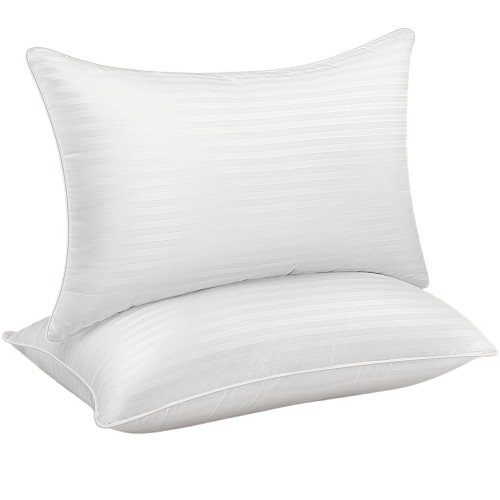
Cooling Pillows
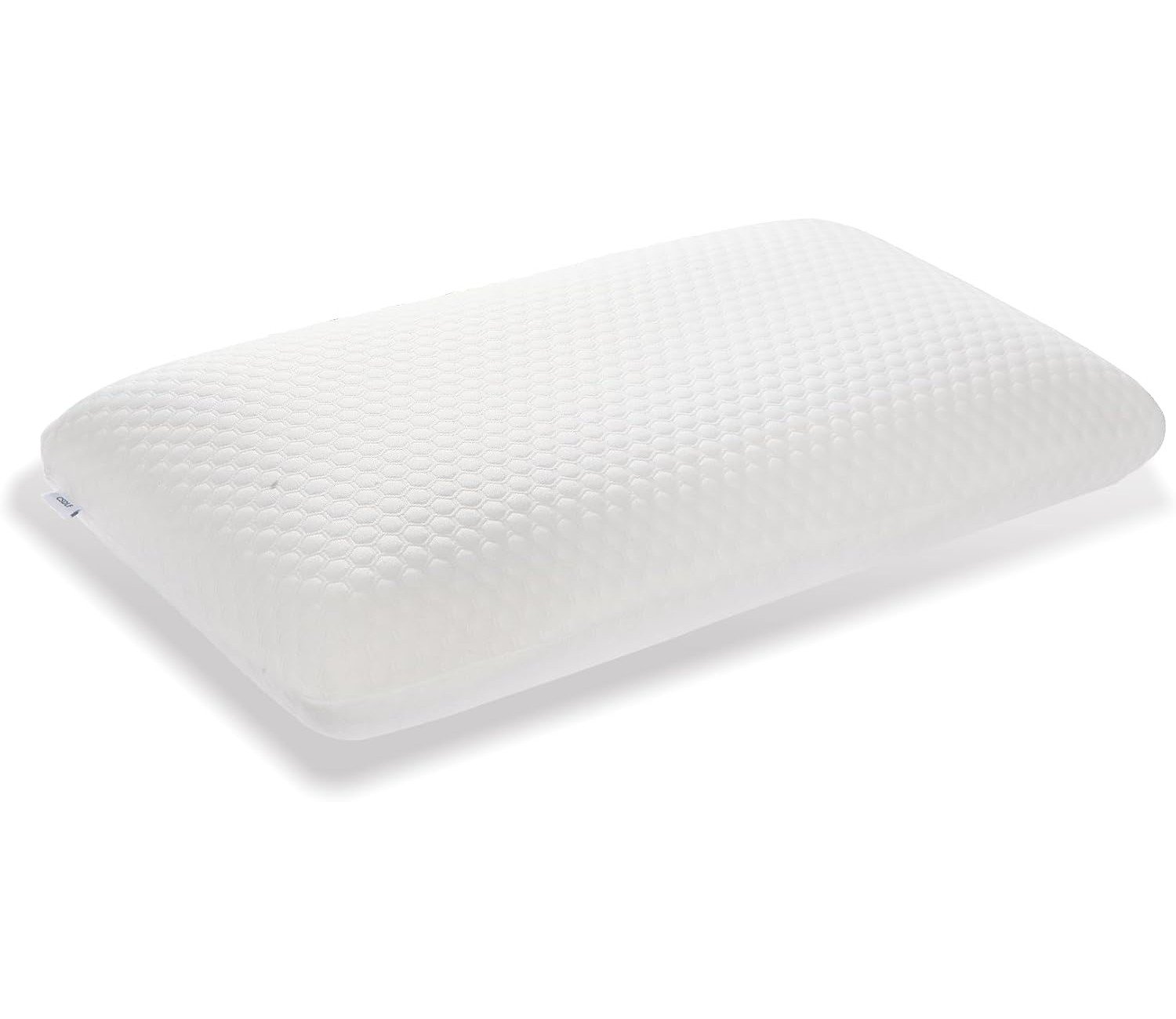
Memory Foam Pillows
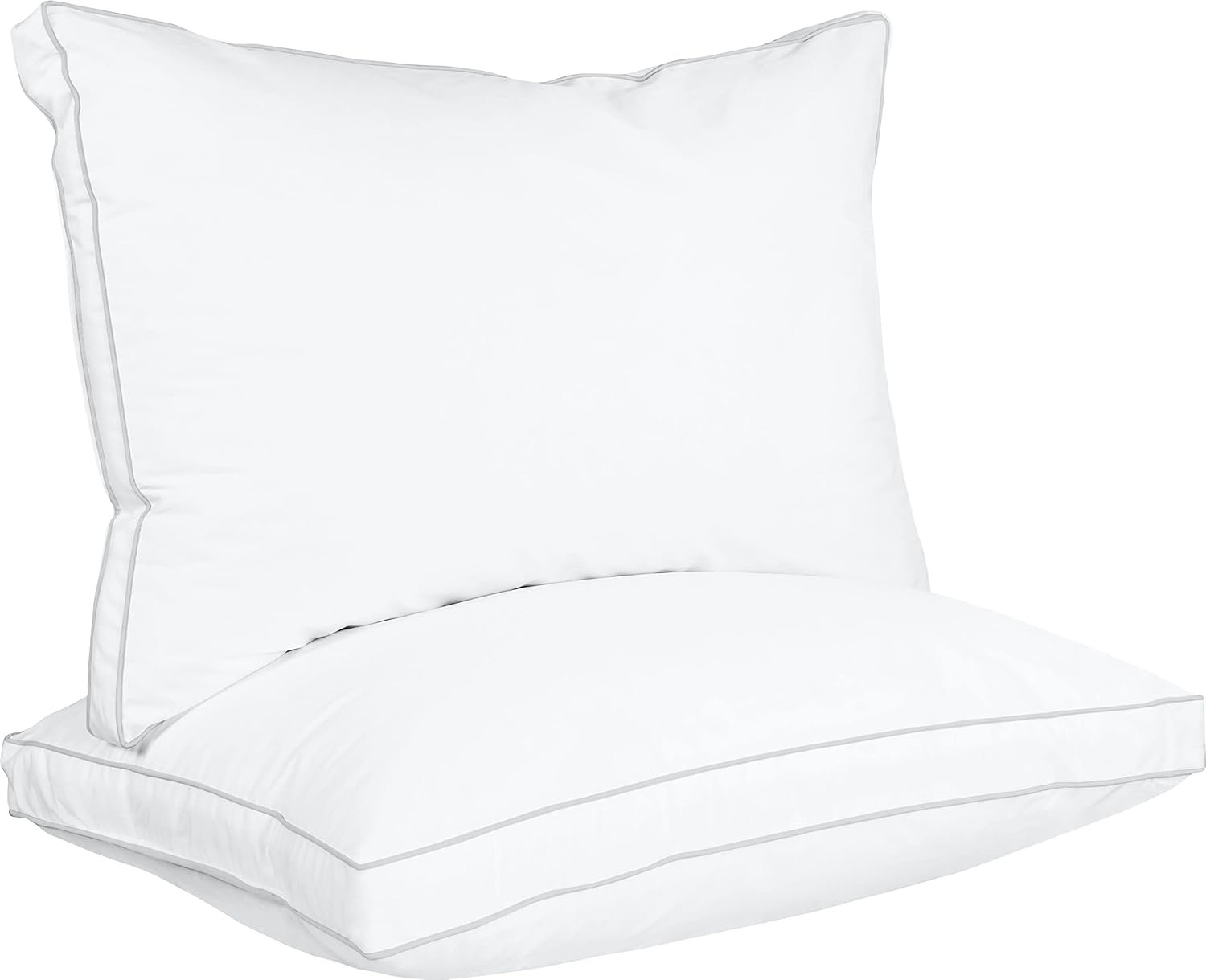
Hypoallergenic Pillows
Monthly Sleep Stories
Join thousands who receive comfort tips, restful living ideas, and special announcements.
Complete Your Sleep Setup
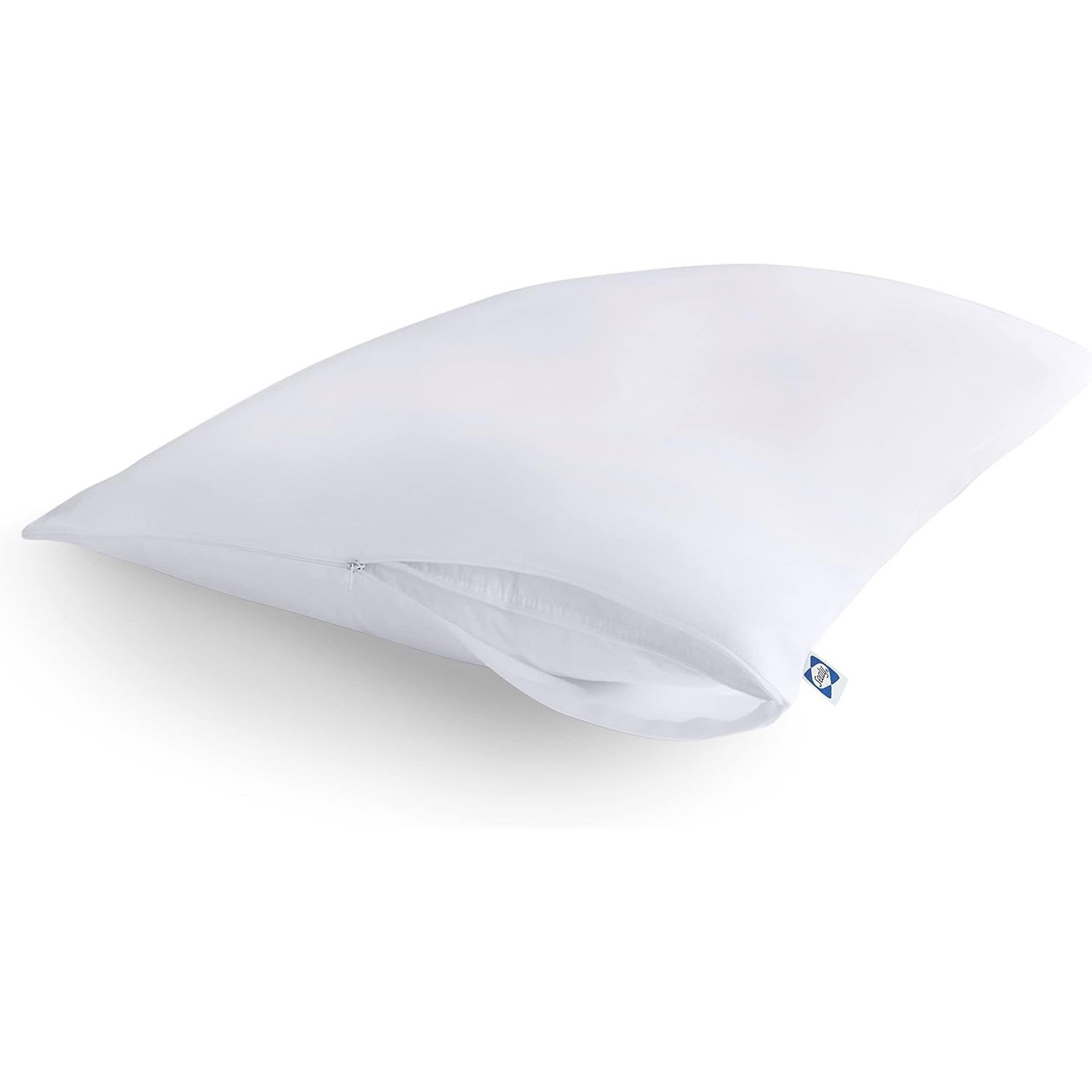
Pillow Protectors
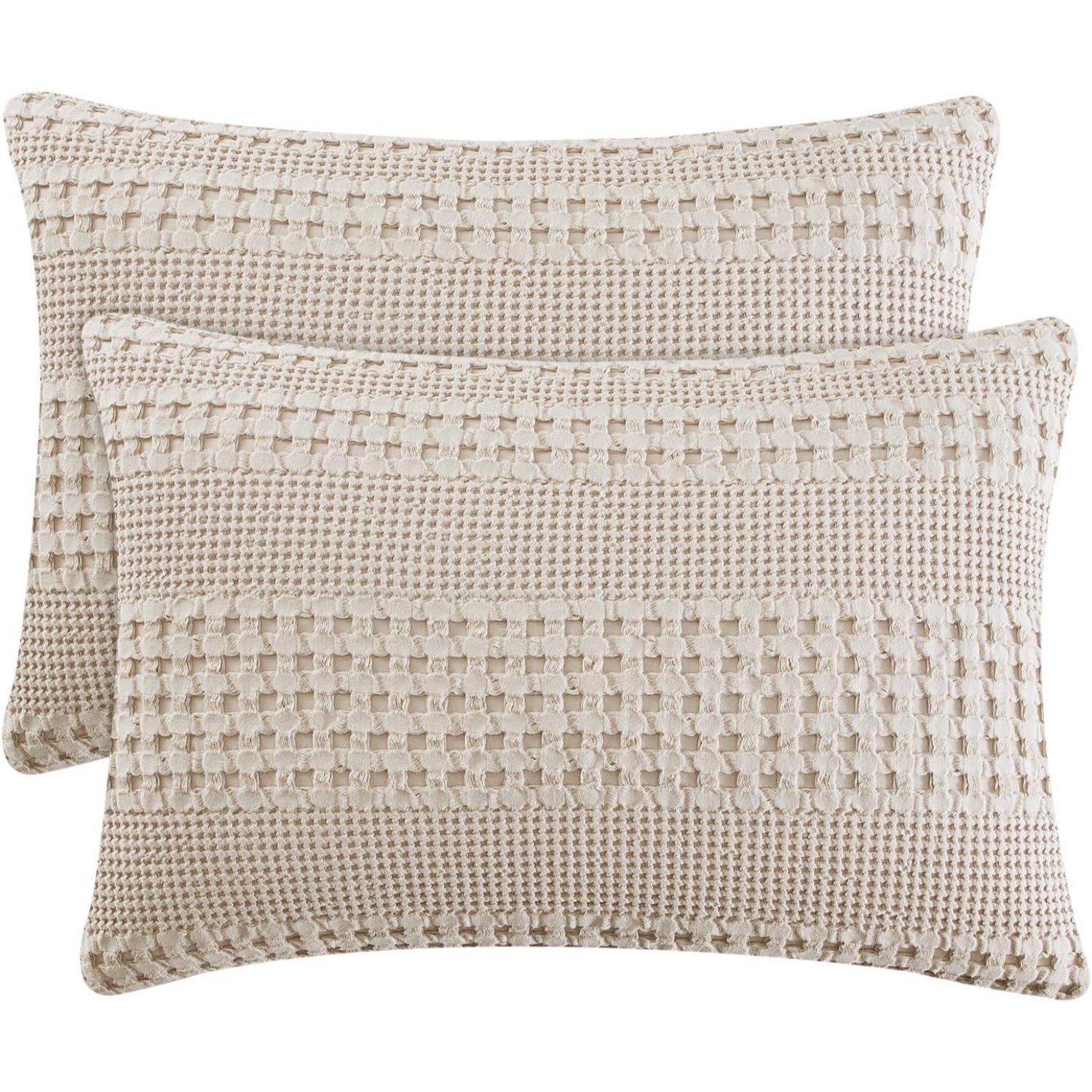
Pillow Covers & Shams
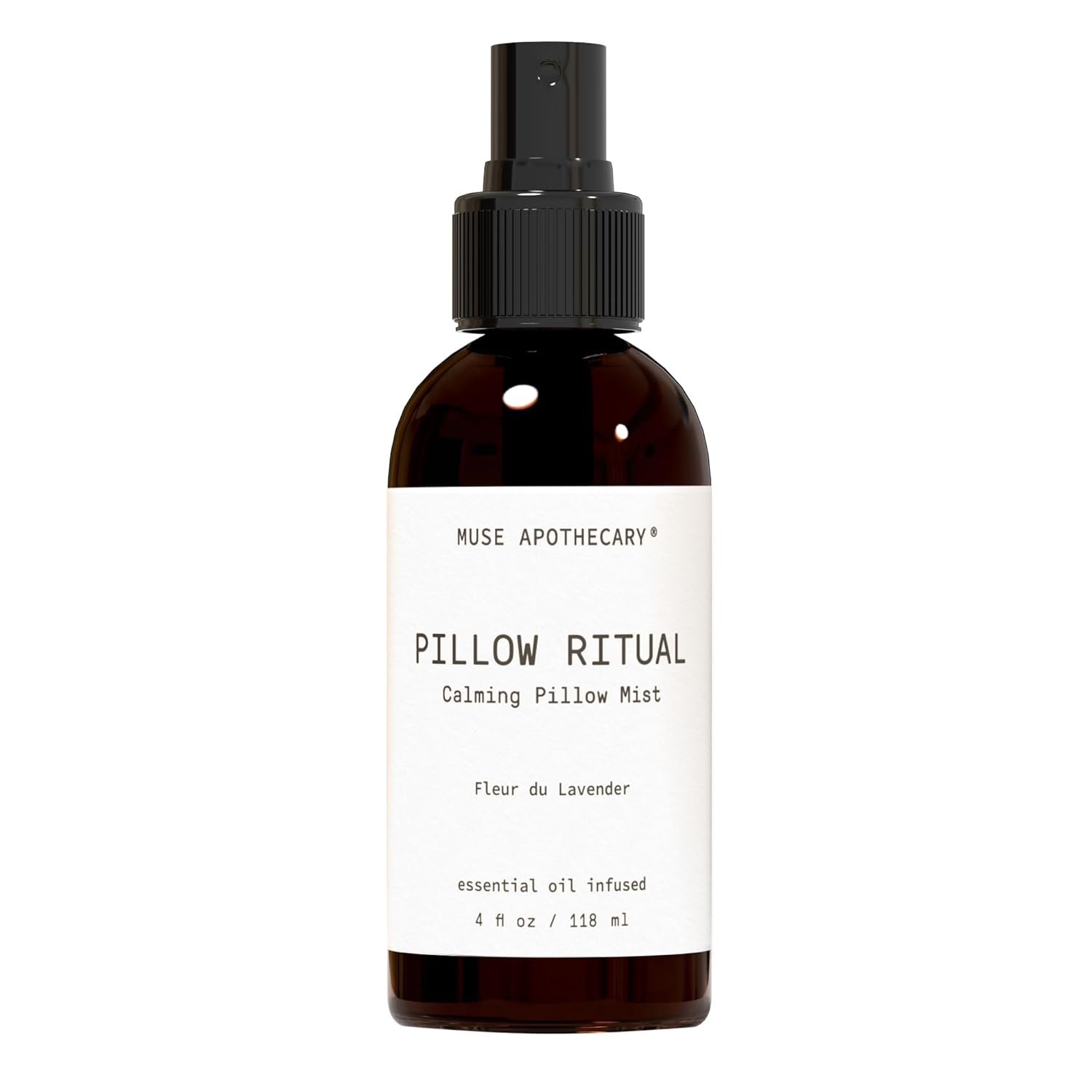
Pillow Refresh Sprays
Testimonials
“I used to wake up with neck pain every morning until I got my Keeco pillow. The memory foam cradles perfectly without being too firm, and I love how it stays cool throughout the night.”

Emma K.
“As someone with allergies, finding a truly hypoallergenic pillow that doesn’t feel like sleeping on plastic was impossible—until Keeco. The bamboo cover is so soft and I can finally breathe easy at night.”

Priya S.
“Got the adjustable fill pillow after my physical therapist recommended proper neck support. Being able to customize the height by adding or removing filling? Game changer for my recovery.”

Jordan M.
Common Questions
Most sleep experts recommend replacing them every 1-2 years, depending on use and care. Signs it’s time for a new one include noticeable lumps, loss of support, or persistent odors that don’t go away after washing. Regular users might notice decreased comfort or waking up with neck pain as indicators for replacement.
Check the care label first, as instructions vary by material. Most can be machine washed on gentle cycle with mild detergent. For best results, wash every 3-4 months and use a protective cover that can be washed weekly. Always ensure complete drying to prevent mold or mildew growth.
Side sleepers typically need medium to firm support to fill the gap between shoulder and neck. Back sleepers often prefer medium firmness for proper spinal alignment. Stomach sleepers usually benefit from softer, thinner options to prevent neck strain. Personal preference and body type also play important roles in selection.
Proper support can significantly impact sleep quality and reduce neck discomfort. The right choice maintains natural spinal alignment throughout the night. However, persistent pain should be evaluated by a healthcare professional, as sleep accessories alone may not address underlying conditions.
Common fill materials include memory foam, down alternative, latex, and various synthetic fibers. Many modern options feature hypoallergenic materials and dust mite resistant covers. Those with allergies should look for certified hypoallergenic labels and consider using additional protective covers.
Standard sizes typically match common bedding dimensions: Standard (20″x26″), Queen (20″x30″), and King (20″x36″). Measure existing bedding or cases to ensure compatibility. Some specialty options may have unique dimensions, so checking measurements before purchase helps avoid sizing issues.